Blog
-
-
Hello world!
Welcome to WordPress. This is your first post. Edit or delete it, then start writing!
-
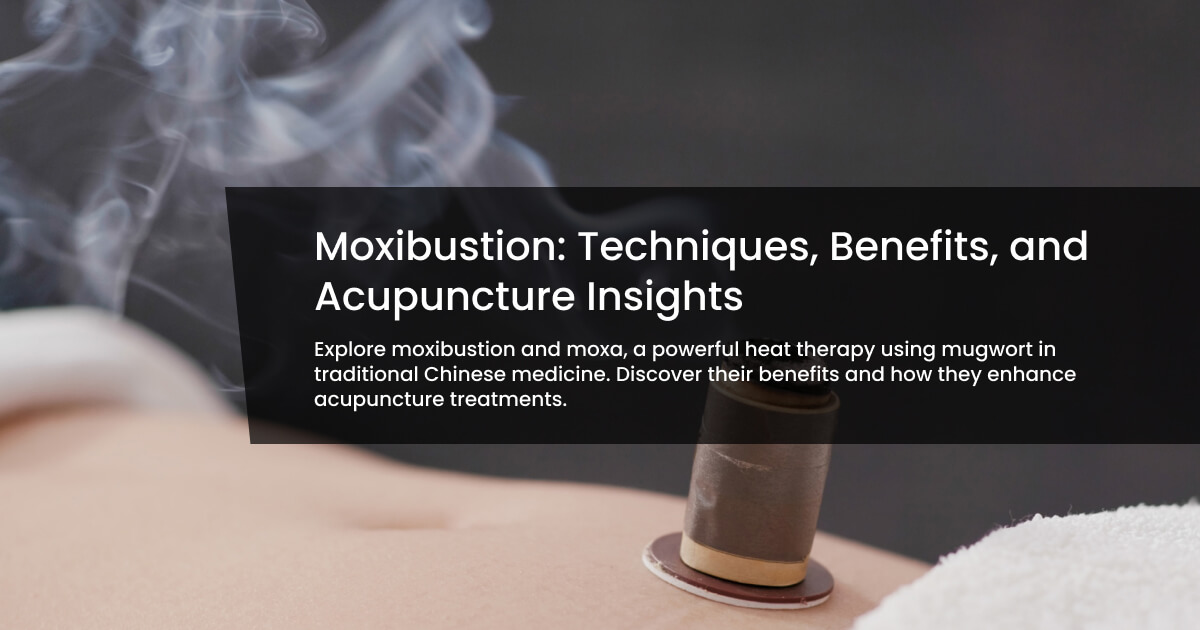
Moxibustion: Techniques, Benefits, and Acupuncture Insights
Introduction
Moxibustion, a time-honored practice rooted in traditional Chinese medicine (TCM), has long been revered for its ability to stimulate the flow of Qi (life energy) and promote overall well-being. This ancient technique, which involves the burning of dried mugwort leaves, has garnered increasing attention in the world of acupuncture and integrative healthcare. As practitioners and patients alike continue to explore the profound benefits of moxa therapy, it is essential to delve deeper into its history, applications, and the transformative impact it can have on various health conditions.
Understanding the Essence of Moxibustion
Moxibustion is a form of heat therapy often used alongside acupuncture to enhance its effectiveness. The practice revolves around the burning of moxa, a special preparation made from mugwort leaves. This aromatic herb is carefully selected and processed to create the moxa material, which can be shaped into various forms, such as cones, sticks, or loose moxa fibers.
Types of Moxibustion Techniques
Moxibustion can be applied in two primary ways: direct and indirect. In direct moxa, practitioners place burning grain-sized moxa on top of the skin which is coated with protective cream, often at acupuncture points or specific areas of the body. Indirect moxa, on the other hand, involves holding the burning moxa close to the skin without direct contact, allowing the moxa heat to penetrate the body. Additionally, there are variations of indirect moxibustion, such as using acupuncture needles to transfer the heat or incorporating insulating materials like salt or garlic between the moxa and the skin.
The Therapeutic Principles of Moxibustion
Moxibustion can help address imbalances in the body’s Qi and restore harmony. By using heat from burning moxa and targeting it to certain acupuncture points or meridians, moxibustion is thought to invigorate the flow of Qi, expel cold and dampness, and promote blood circulation. This multifaceted approach is believed to alleviate a wide range of health concerns, from pain management to digestive issues and beyond.
Moxibustion for Pain Relief
One of the most well-documented applications of moxibustion is its ability to provide relief for various types of pain. The warming properties of moxa are believed to help dispel cold and damp conditions that can contribute to joint pain, muscle stiffness, and chronic discomfort. By stimulating the affected areas, moxibustion can encourage the body’s natural healing processes and promote the free flow of Qi and blood.
Moxibustion for Musculoskeletal Conditions
Moxibustion has shown promising results in the management of musculoskeletal conditions, such as shoulder pain, knee pain, and joint-related issues. The targeted application of heat can help alleviate inflammation, improve flexibility, and reduce overall discomfort. Practitioners often combine moxibustion with other modalities, such as acupuncture or massage therapy, to achieve optimal outcomes.
Moxibustion for Headaches and Migraines
The therapeutic effects of moxibustion have also been explored in the context of headaches and migraines. By stimulating specific acupuncture points associated with these conditions, moxibustion may help to alleviate the intensity and frequency of headaches, as well as provide relief for associated symptoms like nausea and sensitivity to light or sound.
Moxibustion for Chronic Pain Management
For individuals struggling with chronic pain conditions, moxibustion can offer a complementary approach to traditional pain management strategies. When used in conjunction with acupuncture, the warmth and stimulation provided by moxibustion may help to reduce inflammation, improve blood circulation, and promote the body’s natural pain-relieving mechanisms, leading to a more holistic and long-term solution.
Moxibustion for Digestive Health
Beyond its applications in pain management, moxibustion has also been recognized for its potential benefits in addressing various digestive health concerns. The warming properties of moxa are believed to help strengthen the digestive system, promote the flow of Qi, and alleviate conditions like chronic diarrhea, constipation, and even ulcers.
Moxibustion for Gastrointestinal Disorders
Many people seek moxibustion to treat a range of gastrointestinal disorders, including irritable bowel syndrome (IBS), Crohn’s disease, and ulcerative colitis. By targeting certain acupuncture points and meridians associated with the digestive system, moxibustion may help regulate bowel function, reduce inflammation, and alleviate symptoms such as abdominal pain, bloating, and altered bowel movements.
Moxibustion for Organ Prolapse
Moxibustion therapy has also been explored as a potential treatment for organ prolapse conditions, such as uterine or bladder prolapse. The warmth and stimulation provided by this therapy are believed to help strengthen the Qi and support the proper positioning of the affected organs, potentially reducing the severity of the prolapse and improving overall pelvic health.
Moxibustion for Women’s Health
The versatility and benefits of moxibustion extend to the realm of women’s health, where it has been utilized to address a variety of conditions, including menstrual cramps, infertility, and even breech presentation during pregnancy. The use of moxibustion promotes healing throughout the body.
Moxibustion for Menstrual Cramps
Moxibustion has long been used in TCM to alleviate the discomfort associated with menstrual cramps. By targeting specific acupuncture points and promoting the flow of Qi, moxibustion may help to reduce the intensity and duration of menstrual pain, providing a natural and complementary approach to managing this common issue.
Moxibustion for Infertility
Emerging research on the use of moxibustion to treat infertility suggests that this therapy can improve reproductive issues like infertility in women. By stimulating acupuncture points associated with reproductive health, moxibustion is believed to help regulate hormonal imbalances, improve blood circulation, and support overall reproductive function.
Moxibustion for Breech Presentation
One of the most well-known applications of moxibustion in women’s health is its potential to help turn a breech-positioned baby during pregnancy. By applying moxibustion to specific acupuncture points, practitioners aim to encourage the baby to turn into the optimal head-first position, potentially reducing the need for medical interventions and enabling a more natural birth process.
Moxibustion for Immune System Support
Beyond its specific therapeutic applications, moxibustion has also been recognized for its potential to support the body’s overall immune system and enhance general well-being.
Moxibustion for Boosting Qi and Blood
The warming and stimulating effects of moxibustion are believed to help tonify the body’s Qi (vital life force) and improve blood circulation. This holistic approach may contribute to a strengthened immune system, improved energy levels, and a greater sense of overall vitality.
Moxibustion for Chronic Conditions
Individuals with chronic health conditions, such as autoimmune disorders or weakened immune systems, may find that regular moxibustion treatments can help to alleviate their symptoms and support their body’s natural healing processes. The warmth and stimulation provided by moxibustion may help to regulate the immune system and promote a more balanced state of health.
The Safety Considerations of Moxibustion
While moxa therapy is generally considered a safe and well-tolerated therapy, it is essential to be aware of the potential risks of moxibustion and take appropriate precautions. Direct moxibustion, which involves the burning of moxa directly on the skin, carries a higher risk of burns and skin discoloration. Indirect moxibustion, where the moxa is held close to the skin without direct contact, is generally a safer option.
Additionally, individuals with certain conditions, such as a sensitivity to mugwort, should consult with a qualified practitioner before undergoing moxibustion treatment. People with lung conditions like asthma should avoid moxibustion. Proper training and licensing are crucial to ensure the safe and effective application of this traditional therapy.
Integrating Moxibustion into Acupuncture Practice
Moxibustion is often practiced in conjunction with acupuncture, as the two modalities can complement each other to enhance the overall therapeutic benefits. Acupuncturists and other healthcare providers trained in TCM may incorporate moxibustion into their treatment plans, leveraging the synergistic effects of these ancient practices to address a wide range of health concerns.
Our Clinic
Our clinic has over 16 years of acupuncture experience and experience in performing moxibustion therapy. We use both the indirect method, where we either place moxa on top of acupuncture needles or use a burning moxa stick, and the direct method, where we use either grain-sized moxa cones over Shiunko (protective cream to prevent burns and scars) or Onkyu moxa cones. Moxibustion is generally safe, but to further ensure the safety of the patient and the effectiveness of the treatment, our licensed acupuncturist goes through a thorough physical examination to ensure if moxa therapy is the appropriate treatment for you based on your health history and treatment goals. If you are interested in receiving moxibustion therapy, feel free to call our office at (516) 882-1292 to schedule a consultation.
Conclusion
Moxibustion, with its deep roots in traditional Chinese medicine, continues to captivate both practitioners and patients alike. By harnessing the warming and stimulating properties of the mugwort plant, moxibustion has the potential to address a wide range of health concerns, from pain management to digestive issues and beyond. As research and clinical experience continue to expand our understanding of this ancient therapy, the promise of moxibustion as a complementary approach to acupuncture and holistic healthcare only grows stronger. Embracing the wisdom of the past, we can unlock the healing power of moxibustion and enhance the well-being of individuals seeking a more integrative path to optimal health.
-

Acupuncture for Athletes: Performance & Recovery Benefits
Acupuncture is an ancient healing practice that has gained popularity in modern sports medicine for its potential to enhance athletic performance and aid in recovery. Athletes, both professional and amateur, are turning to acupuncture to alleviate pain, reduce inflammation, improve blood circulation, restore range of motion, and promote overall well-being. In this comprehensive guide, we will explore how acupuncture can benefit athletes and optimize their performance. From pain relief to enhanced recovery and improved focus, acupuncture offers a natural and holistic approach to sports performance.
Understanding Acupuncture
Acupuncture is a traditional Chinese medicine technique that involves the insertion of tiny, sterile needles into specific points on the body. These points, known as acupuncture points, are believed to be connected to pathways or meridians through which vital energy, or Qi, flows. By stimulating these points, acupuncture aims to restore balance and harmony in the body, promoting healing and overall well-being.
The Advantages of Acupuncture for Athletes
Acupuncture offers several advantages for athletes seeking to improve their performance and recover from sports-related injuries. Let’s explore some of the key benefits of acupuncture:
Pain Relief
One of the primary reasons athletes seek acupuncture treatments is for pain relief. Acupuncture has been widely recognized for its analgesic effects. By stimulating the body’s pain-relieving chemicals, known as endorphins, acupuncture may help with muscle soreness and treat sports injuries such as a strain or sprain. Studies have shown that acupuncture serves as an effective treatment for these injuries, as much as medication in relieving certain types of pain, making it a natural treatment option for athletes who want to avoid the side effects of painkillers.
Enhanced Recovery
Acupuncture also contributes to faster recovery time for athletes. By improving blood flow and circulation in the targeted areas, acupuncture promotes the delivery of oxygen and nutrients to the muscles and tissues, aiding in the repair and regeneration process. Additionally, acupuncture encourages the body to produce anti-inflammatory agents, reducing swelling and promoting healing. Incorporating also helps reduce stress and promote relaxation, further aiding in recovery.
Improved Performance
Beyond pain relief and enhanced recovery, acupuncture can indirectly improve physical performance among athletes. By reducing pain and promoting overall well-being, athletes may experience improved focus and energy levels after acupuncture sessions. When athletes are free from pain and physical discomfort, they can fully concentrate on their training and perform at their best.
Scientific Evidence Supporting Acupuncture
The benefits of acupuncture for athletes are not merely anecdotal. Several scientific studies have explored the mechanisms and effectiveness of acupuncture in enhancing athletic performance and aiding in recovery. Let’s delve into some of the research findings:
Reduction of Pain
Research has shown that acupuncture can effectively reduce pain through various mechanisms. Electroacupuncture, a form of acupuncture that involves the use of electrical stimulation, has been extensively studied for its pain-relieving effects. It acts on both the sensory and affective components of pain, inhibiting inflammatory pain through peripheral, spinal, and supraspinal mechanisms. The involvement of bioactive molecules, such as opioids, serotonin, and cytokines, plays a central role in the analgesic effects of electroacupuncture1. In addition, ear acupuncture has been shown to be a promising modality for immediate pain relief with limited side effects2. Acupuncture has also been associated with greater immediate pain relief compared to sham acupuncture and analgesic injections3.
Accelerated Recovery
Acupuncture has been found to accelerate recovery in athletes by improving various physiological factors. In a study involving athletes undergoing intensive endurance exercise, electroacupuncture was shown to decrease oxidative stress and increase antioxidant activity, therefore contributing to fatigue relief4. Another study found that acupuncture stimulation resulted in significantly lower heart rate, blood lactic acid, and maximal oxygen consumption compared to sham and normal groups, indicating improved recovery in elite basketball athletes5. Furthermore, the anti-inflammatory actions of acupuncture, mediated by neuropeptides like CGRP (Calcitonin Gene-Related Peptide), have been observed, suggesting its potential in regulating acute, sub-acute, and chronic inflammation6.
Injury Prevention
Acupuncturists are trained to assess the body comprehensively, identifying areas of tightness, discomfort, or muscular imbalances that athletes may not be aware of. By addressing these issues before they manifest as pain or injuries, acupuncture can help athletes maintain loose, hydrated, and flexible muscles, reducing the risk of injury. Trigger points, hyperirritable bands of muscle that cause pain and can lead to more serious injuries, can be effectively released through acupuncture, resulting in reduced pain and increased range of motion7.
Finding the Right Acupuncturist
To fully benefit from acupuncture as an athlete, it is crucial to seek treatment from a renowned and experienced acupuncturist. A skilled practitioner will not only possess the necessary expertise and knowledge of acupuncture techniques but will also understand the unique needs and challenges faced by athletes. They will be able to tailor the treatment specifically to your requirements, taking into account your injury history, training routine, and performance goals. When choosing an acupuncturist, consider their credentials, experience, and reputation within the sports medicine community.
With over 16 years in practice, our clinic has experience treating sports-related injuries. We know very well the benefits of acupuncture therapy and its effects on athletic performance and recovery. In cooperation with sports medicine doctors, at-home stretches, flexibility exercises, and rest, acupuncture can help speed up the process of healing and encourage performance enhancement.
We know each patient is different, so we offer an extensive physical examination for patients considering getting treated with acupuncture. With this information, our licensed acupuncturist will be able to tailor a more personalized approach to your care to ensure your full recovery. To schedule a consultation with us, you can request an appointment online or reach our office at (516) 882-1292.
Conclusion
Acupuncture offers athletes a natural and holistic approach to enhancing performance and aiding in recovery. With its ability to alleviate pain, accelerate recovery, and promote overall well-being, acupuncture has become a valuable tool for athletes seeking to optimize their athletic potential. Scientific evidence supports the benefits of acupuncture, demonstrating its effectiveness in reducing pain, accelerating recovery, and preventing injuries. By seeking treatment from a skilled acupuncturist, athletes can harness the power of acupuncture to achieve their performance goals. Embrace the ancient wisdom of acupuncture and unlock your full athletic potential.
“Acupuncture is a natural and effective way for athletes to optimize their performance and recover from injuries.” – Henry Ford Health
References
- Zhang, R., Lao, L., Ren, K., & Berman, B. M. (2014). Mechanisms of acupuncture-electroacupuncture on persistent pain. Anesthesiology, 120(2), 482–503.
- Murakami et al. Ear Acupuncture for Immediate Pain Relief – A Systematic Review and Meta-Analysis of Randomized Controlled Trials (2017).
- Xiang et al. The Immediate Analgesic Effect of Acupuncture for Pain: A Systematic Review and Meta-Analysis (2017).
- Liu JY, Liu LM. [Influence of electroacupuncture intervention on free radical metabolism in athletes undergoing intensive endurance exercise]. Zhen Ci Yan Jiu. Feb 2013.
- Lin Z.P. et al. Effects of acupuncture stimulation on recovery ability of male elite basketball athletes. Am J Chin Med. 2009.
- Zijlstra et al. Anti-inflammatory actions of acupuncture (2012).
- Current data suggest that active MTrPs (myofascial trigger points) are associated with a high symptom burden and a negative impact on function, both physical and psychosocial.
-
Acupuncture for Women’s Health: Effective Relief for Menstrual Cramps and Period Pain
Introduction
Menstrual cramps, also known as dysmenorrhea, are a common and often debilitating experience for many women. Menstrual pain can significantly impact one’s quality of life, causing intense pain than can disrupt daily activities, and even lead to missed work or school. Conventional treatments, such as over-the-counter pain medications, can provide temporary relief, but they may come with undesirable side effects.
Fortunately, a growing body of research suggests that acupuncture, a centuries-old practice rooted in traditional Chinese medicine, may offer a natural and effective solution for managing menstrual pain. By addressing the underlying causes of dysmenorrhea and promoting the flow of vital energy (qi) throughout the body, acupuncture has been shown to significantly reduce the intensity and duration of period pain, as well as alleviate associated symptoms like headaches, nausea, and fatigue.
In this comprehensive article, we will delve into the science behind acupuncture’s efficacy in the pain reduction for women with primary dysmenorrhea, explore the various techniques and protocols used by practitioners, and provide practical tips for incorporating this holistic approach into your self-care routine. Whether you’re a seasoned acupuncture enthusiast or new to this ancient healing modality, this guide will empower you to take control of your menstrual health and experience the transformative benefits of this remarkable therapy.
Understanding Menstrual Cramps: Causes and Symptoms
Menstrual cramps, or primary dysmenorrhea, are the result of the uterus contracting to shed its lining during the menstrual cycle. This natural process can lead to the constriction of blood vessels, reducing the flow of oxygen to the uterine muscles and therefore causing pain. The severity of cramps can vary greatly, with some individuals experiencing mild discomfort, while others may suffer from debilitating pain that radiates to the lower back, abdomen, and even the thighs.
In addition to the primary symptom of intense pelvic pain, women experience a range of other unpleasant menstrual symptoms, including:
- Headaches or migraines
- Nausea and vomiting
- Fatigue and lethargy
- Diarrhea or constipation
- Bloating and water retention
- Mood changes, such as irritability or depression
These secondary symptoms can further exacerbate the overall discomfort and disruption caused by painful periods, making it challenging for individuals to maintain their daily routines and engage in their usual activities.
Conventional Treatments for Menstrual Cramps
Traditionally, the go-to solutions for managing menstrual cramps have been over-the-counter pain medications, such as ibuprofen or acetaminophen. These drugs work by inhibiting the production of prostaglandins, the inflammatory compounds that contribute to uterine contractions and the resulting pain. While these medications can provide temporary relief, they may also come with unwanted side effects, including stomach irritation, increased risk of cardiovascular events, and potential liver damage with prolonged use.
In more severe cases, healthcare providers may prescribe stronger pain relievers or hormonal contraceptives, such as birth control pills or intrauterine devices (IUDs). These treatments aim to regulate the menstrual cycle and reduce the intensity of cramps, but they also carry their own set of potential side effects, including mood changes, weight fluctuations, and increased risk of blood clots.
Acupuncture: A Holistic Approach to Menstrual Pain Relief
Acupuncture, a core component of traditional Chinese medicine (TCM), offers a natural and holistic alternative to conventional treatments for menstrual cramps. This ancient practice involves the strategic placement of thin, sterile needles at specific points on the body, known as acupuncture points or meridians. By stimulating these points, acupuncture is believed to restore the balance and flow of qi (vital energy) throughout the body, thereby reducing inflammation, relieving muscle tension, and promoting overall well-being.
The Mechanism of Acupuncture for Menstrual Cramps
From the perspective of traditional Chinese medicine, excessive menstrual pain is often attributed to a condition of “stagnation,” where the flow of qi and blood in the lower abdomen is disrupted or impeded. This stagnation can be triggered by the hormonal changes that occur during the menstrual cycle, leading to the uterus contracting more forcefully and causing the characteristic cramping sensation.
Acupuncture treatment aims to address this underlying imbalance by stimulating specific points along the meridians associated with the reproductive system, such as the Spleen, Liver, and Kidney meridians. By promoting the smooth flow of qi and blood, acupuncture may help regulate uterine contractions, improve blood circulation, and alleviate the pain and discomfort of menstrual cramps.
Moreover, acupuncture has been shown to have a positive impact on the body’s pain-regulating systems, including the release of endorphins and the modulation of neurotransmitters. These physiological responses can further contribute to the analgesic (pain-relieving) effects of acupuncture, making it a valuable tool for managing menstrual pain.
Acupuncture Techniques for Menstrual Cramp Relief
Acupuncturists may employ a variety of techniques to address menstrual cramps and the frequency of treatment, depending on the individual’s menstrual pain intensity and other symptoms and health factors. Some of the most common approaches include:
- Manual Acupuncture: This involves the manual insertion of thin, sterile needles into specific acupuncture points, followed by gentle manipulation or rotation of the needles to stimulate the flow of qi.
- Electroacupuncture: In this technique, the acupuncture needles are connected to a device that transmits mild electrical impulses to the body, further enhancing the stimulation of the acupuncture points.
- Moxibustion: This technique involves the burning of moxa, a dried herb, near the skin’s surface or on the acupuncture needles. The warmth generated by the moxa is believed to promote the circulation of qi and blood, thereby reducing menstrual pain.
- Auricular (Ear) Acupuncture: Acupuncturists may focus on specific points on the ear, which are thought to correspond to various parts of the body, including the uterus and reproductive organs.
- Cupping: This ancient technique involves the use of suction cups placed on the skin to stimulate blood flow and release muscle tension, which can be particularly beneficial for relieving lower back pain associated with menstrual cramps.
Acupuncture Treatment Protocols for Menstrual Cramps
Acupuncture treatments for menstrual cramps typically follow a specific protocol, with the frequency and duration of sessions tailored to the individual’s needs and response to treatment.
Many studies have found that a high-frequency approach, with multiple acupuncture sessions conducted in the week leading up to the menstrual period, is the most effective in reducing the intensity and duration of menstrual cramps. For example, a study published in the journal PLOS One found that women who received three acupuncture treatments per week for three menstrual cycles experienced up to a 50% decrease in period pain and related symptoms.
In contrast, a low-frequency approach, with treatments scheduled every 7-10 days between menstrual periods, may not be as effective in providing immediate relief, but can still contribute to long-term improvements in overall menstrual health and pain management.
In addition to receiving treatments, it’s important to make sure you’re following a healthy diet, getting enough sleep, getting at least 30 minutes of light exercise a day, and limiting caffeine intake. It’s also recommended to drink warm or hot fluids instead of cold fluids during your menstruation period.
Regardless of the specific protocol, acupuncture treatments for menstrual cramps often involve a combination of points targeting the lower abdomen, back, and legs, as well as points associated with the Liver, Spleen, and Kidney meridians. The acupuncturist may also incorporate additional points to address any secondary symptoms, such as headaches or nausea.
Efficacy of Acupuncture for Menstrual Cramps
The growing body of research on the use of acupuncture for menstrual cramps has yielded promising results, with numerous studies demonstrating the effectiveness of this ancient therapy in reducing the intensity and duration of period pain.
A systematic review and meta-analysis published in the journal Human Reproduction Update examined the findings of 42 studies involving over 4,000 participants. The researchers concluded that acupuncture, both manual and electroacupuncture, was significantly more effective than sham (placebo) acupuncture or no treatment in alleviating menstrual cramps. The review also found that acupuncture was just as effective as nonsteroidal anti-inflammatory drugs (NSAIDs) in managing period pain, but without the potential side effects associated with pharmaceutical interventions.
Another study published in PLOS One further supports the effectiveness of acupuncture for menstrual pain relief. The researchers found that women who received high-frequency acupuncture treatments (three sessions per week) experienced up to a 50% reduction in pain intensity and related symptoms, such as headaches and nausea.
Interestingly, the PLOS One study also revealed that manual acupuncture was significantly more effective than electroacupuncture in treating menstrual cramps. This finding suggests that the manual stimulation of acupuncture points, rather than the electrical stimulation, may be a more potent way to regulate the flow of qi and promote the body’s natural pain-relieving mechanisms.
Integrating Acupuncture into Your Menstrual Health Routine
Incorporating acupuncture into your self-care routine for menstrual pain and associated symptoms can be a highly effective and empowering approach to managing this common, yet often debilitating, condition. By working closely with a licensed and experienced acupuncturist, you can develop a personalized treatment plan that addresses the root causes of your menstrual pain and provides holistic relief.
Preparing for Acupuncture Treatments
Before your first acupuncture session, it’s essential to provide your practitioner with a comprehensive medical history, including details about your menstrual cycle, any underlying health conditions, and any medications or supplements you are currently taking. This information will help the acupuncturist develop a tailored treatment plan that takes your unique needs and constitution into account.
It’s also important to be open and honest with your acupuncturist about your symptoms, concerns, and expectations for the treatment. This collaborative approach will ensure that the acupuncture sessions are both effective and comfortable for you.
Incorporating Complementary Strategies
While acupuncture can be a powerful standalone treatment for menstrual cramps, combining it with other holistic strategies and complementary medicine can further enhance its benefits and provide a more comprehensive approach to managing your menstrual health. Some complementary techniques to consider include:
- Dietary Modifications: Incorporating nutrient-dense foods that are rich in magnesium, calcium, and omega-3 fatty acids, such as leafy greens, nuts, and fatty fish, can help support muscle relaxation and reduce inflammation.
- Herbal Remedies: Certain herbs, such as raspberry leaf, chamomile, and ginger, have been traditionally used in traditional Chinese medicine to alleviate menstrual cramps and associated symptoms.
- Stress Management: Engaging in stress-reducing activities, such as meditation, yoga, or deep breathing exercises, can help mitigate the impact of stress on menstrual pain and overall well-being.
- Heating Therapies: Applying a heating pad or hot water bottle to the lower abdomen can help relax the uterine muscles and improve blood flow, providing natural relief for menstrual cramps.
By integrating acupuncture with these supportive strategies, you can create a holistic self-care routine that addresses the multifaceted nature of menstrual pain and optimizes your overall menstrual health.
Considerations and Precautions
While acupuncture is generally considered a safe and well-tolerated treatment for menstrual cramps, it’s important to be aware of a few important considerations and precautions:
- Underlying Medical Conditions: In some cases, severe or persistent menstrual cramps may be a symptom of an underlying medical condition, such as endometriosis, uterine fibroids, or pelvic inflammatory disease. It’s crucial to consult with your healthcare provider to rule out these potential issues before pursuing acupuncture treatment.
- Pregnancy and Breastfeeding: Certain acupuncture points should be avoided during pregnancy and breastfeeding, as they may have the potential to stimulate uterine contractions or affect the developing fetus. It’s essential to work with an acupuncturist who is experienced in treating pregnant or breastfeeding individuals.
- Bleeding Disorders or Blood-Thinning Medications: Individuals with bleeding disorders or those taking blood-thinning medications may be at a higher risk of bruising or excessive bleeding during acupuncture treatment. It’s crucial to inform your acupuncturist about any such conditions or medications you are taking.
- Infection Risk: While the risk of infection from acupuncture is generally low when performed by a licensed and trained practitioner, it’s important to ensure that the acupuncturist uses sterile, single-use needles and follows proper hygiene protocols.
By being aware of these considerations and working closely with a qualified acupuncturist, you can safely and effectively incorporate this holistic approach into your menstrual health management routine, enjoying the benefits of reduced pain, improved quality of life, and enhanced overall well-being.
Conclusion
Menstrual cramps can be a debilitating and disruptive experience, but the growing body of research on acupuncture’s efficacy in treating this condition offers a promising natural solution. By addressing the underlying imbalances and promoting the smooth flow of qi and blood, acupuncture can significantly reduce menstrual pain, the duration and intensity of pain, as well as alleviate associated PMS symptoms like headaches, nausea, and fatigue.
Whether you’re seeking an alternative to conventional pain medications or simply want to explore a more holistic approach to managing your menstrual health, incorporating acupuncture into your self-care routine can be a transformative experience. By working closely with a licensed and experienced acupuncturist, you can develop a personalized treatment plan that addresses your unique needs and empowers you to reclaim control over your menstrual cycle.
So, if you’re tired of suffering through the monthly ordeal of menstrual cramps, consider giving acupuncture a try. With its proven efficacy, safety, and potential to provide long-term relief, this ancient healing modality may just be the solution you’ve been searching for.
Our Clinic
Our clinic has over 15 years of experience in acupuncture in the style of traditional Chinese medicine. We have experience in using acupuncture to treat many Women’s health-related issues, such as menstrual pain, endometriosis, PCOS, and more. Acupuncture is an effective treatment option that can offer relief from menstrual related symptoms and irregular menstrual cycles. Acupuncture and Chinese medicine can serve as a healthier alternative compared to regular over-the-counter pain medications. To learn more about our clinic and what we do, contact our office at 516-882-1292.
-

Unlocking the Restorative Powers of Acupuncture: A Holistic Approach to Stroke Recovery
Introduction
Stroke remains a leading cause of disability worldwide, with survivors often grappling with debilitating motor dysfunctions and diminished quality of life. While modern rehabilitation methods offer valuable support, many patients seek alternative therapies that can complement traditional treatments and accelerate their recovery journeys. One such promising approach is the ancient practice of acupuncture, which has gained increasing recognition for its ability to address the multifaceted challenges faced by stroke patients.
In this comprehensive article, we delve into the clinical efficacy of acupuncture in stroke rehabilitation, exploring its function after stroke, the latest research findings, and the practical application of this holistic therapy. By synthesizing insights from a diverse range of studies, we aim to provide a robust understanding of how acupuncture can be seamlessly integrated into comprehensive stroke rehabilitation programs, empowering patients to reclaim their independence and improve their overall well-being.
The Burden of Stroke: Navigating the Complexities of Rehabilitation
Stroke, a devastating cerebrovascular event, is one of the leading causes of disability globally, with a significant impact on patients, their families, and healthcare systems. The incidence and mortality rates of stroke remain high, and survivors often face a daunting road to recovery, grappling with various degrees of physical, cognitive, and functional impairments. Depending on the type of stroke, patients may have different after effects.
Hemiplegia, a common consequence of stroke, manifests as muscle weakness, spasticity, and limited mobility on the affected side, severely impacting a patient’s ability to perform daily activities and compromising their independence. Conventional rehabilitation methods, such as physical therapy, occupational therapy, and modern medical interventions, have made significant strides in addressing these challenges. However, the cost and effectiveness of these approaches can vary, highlighting the need for more accessible and holistic rehabilitation solutions.
Acupuncture: A Promising Complement to Conventional Stroke Rehabilitation
Acupuncture, an integral component of traditional Chinese medicine, has long been recognized for its potential in the rehabilitation of neurological conditions, including stroke. This ancient practice, which involves the strategic insertion of thin needles at specific points on the body, has been shown to exert a range of beneficial effects on the recovery process.
One of the key advantages of acupuncture is its relatively low cost compared to other rehabilitation interventions, making it a more accessible option, particularly in underserved regions. Additionally, the World Health Organization has acknowledged the effectiveness of acupuncture in the rehabilitation of brain injury-related diseases, underscoring its growing acceptance within the medical community.
Mechanisms of Action: How Acupuncture Facilitates Stroke Recovery
The mechanisms by which acupuncture enhances stroke recovery are multifaceted and involve a complex interplay of physiological processes. Here, we explore some of the key pathways through which acupuncture exerts its therapeutic effects:
Improving Cerebral Circulation and Oxygen Supply
Acupuncture has been shown to dilate blood vessels, improve cerebral circulation, and increase the oxygen supply to damaged nerve tissues. This enhanced blood flow and oxygenation can promote the repair and regeneration of neurons, facilitating functional recovery.
Neuroprotection and Neural Plasticity
Acupuncture stimulation can activate neuroprotective pathways, inhibiting apoptosis (programmed cell death) and promoting the proliferation of neural stem cells. This, in turn, supports the formation of new neural connections and the reorganization of the brain’s neural networks, a process known as neural plasticity, which is crucial for functional recovery after a stroke.
Modulating Inflammatory Responses
Stroke-induced inflammation can exacerbate neuronal damage and impede recovery. Acupuncture has been found to attenuate the inflammatory cascade by regulating the expression of key inflammatory mediators, such as cytokines and chemokines, thereby creating a more favorable environment for tissue repair and regeneration.
Enhancing Cognitive and Motor Function
Acupuncture is widely known to improve cognitive and motor function in stroke patients with stroke after effects, potentially through its ability to regulate neurotransmitter systems, such as the serotonergic (5-HT) and dopaminergic pathways, which are integral to learning, memory, and movement coordination. Scalp acupuncture, where a practitioner inserts needles directly above the top of the head, helps to awaken these brain cells and stimulate cognitive function. Additionally, studies have shown that acupuncture helps to speed up the process of the recovery of limb motor function.
Clinical Evidence: Acupuncture’s Efficacy in Stroke Rehabilitation
Numerous studies have examined the clinical effects of acupuncture in the rehabilitation of stroke patients, providing valuable insights into its potential benefits.
Short-Term Efficacy
A clinical study involving 128 stroke patients aged 41 to 73 years found that the group receiving acupuncture combined with standard physical therapy demonstrated better short-term outcomes compared to the control group, which received standard physical therapy without acupuncture. The acupuncture group showed significant recovery from injury during rehabilitation, reduced muscle spasticity, improved self-care abilities in daily life, and a lower overall degree of functional impairment.
Long-Term Efficacy
The same study also examined the long-term effects of acupuncture, revealing that as the number of acupuncture treatments increased, the efficacy of the intervention group remained superior to that of the control group. This suggests that the cumulative benefits of acupuncture can lead to sustained improvements in motor function and quality of life for stroke patients.
Acupuncture Versus Physical Therapy Alone

Several other studies have corroborated the finding that acupuncture, when used in conjunction with conventional physical rehabilitation, can yield better short-term and long-term clinical outcomes for stroke patients, surpassing the effects of physical therapy alone. Acupuncture has been shown to promote recovery of motor function, improve independence in activities of daily living, and enhance the overall quality of life for stroke survivors.
Integrating Acupuncture into Comprehensive Stroke Rehabilitation
To harness the full potential in acupuncture for stroke rehabilitation, it is essential to adopt a holistic and integrated approach, where acupuncture is seamlessly incorporated into a comprehensive rehabilitation program tailored to the individual needs of the patient.
Personalized Treatment Protocols
The selection of acupuncture points and the frequency of treatments should be based on the patient’s specific stage of recovery, as determined by the Brunnstrom staging system. During the early stages of hemiplegia, acupuncture points such as Neiguan, Sanyinjiao, and Shuigou may be prioritized to address muscle weakness and spasticity. As the patient progresses through recovery after stroke, the acupuncture protocol can be adjusted to target more advanced functional goals, such as improving coordination, gait, and independence in daily activities.
Multidisciplinary Collaboration
Effective stroke rehabilitation requires a collaborative effort among various healthcare professionals, including physicians, physiotherapists, occupational therapists, and traditional Chinese medicine practitioners. By fostering interdisciplinary cooperation, clinicians can develop personalized treatment plans that seamlessly integrate acupuncture with other rehabilitation modalities, ensuring a comprehensive and coordinated approach to patient care.
Patient Education and Engagement
Empowering stroke patients and their caregivers with knowledge about the potential benefits of acupuncture can enhance treatment adherence and engagement. Providing patients with a clear understanding of the acupuncture therapy process, its mechanisms of action, and its role within the broader rehabilitation framework can instill a sense of hope and actively involve them in their recovery journey.
Overcoming Challenges and Limitations
While the evidence supporting the use of acupuncture in stroke rehabilitation is promising, there are still some challenges and limitations that must be addressed to ensure its widespread adoption and optimal outcomes.
Methodological Inconsistencies in Clinical Trials
Some previous studies have been criticized for their suboptimal trial design, lack of control groups, and small sample sizes, which can limit the generalizability of their findings. Addressing these methodological shortcomings through well-designed, large-scale, randomized controlled trials will strengthen the evidence base and bolster the acceptance of acupuncture in the treatment of stroke from within the medical community.
Standardization of Acupuncture Protocols
The heterogeneity in acupuncture techniques, point selection, and treatment frequencies used across different studies can make it challenging to establish clear guidelines and best practices. Developing standardized acupuncture protocols tailored to specific stages of stroke recovery can help to optimize treatment outcomes and facilitate the integration of this therapy into mainstream rehabilitation programs.
Accessibility and Integration into Healthcare Systems
Ensuring the widespread availability and accessibility of acupuncture services, particularly in underserved areas, remains a significant challenge. Integrating acupuncture into existing healthcare systems, reimbursement policies, and multidisciplinary rehabilitation programs can help to overcome these barriers and make this therapy more readily available to stroke patients in need.
Future Directions and Research Opportunities
As the research on the role of acupuncture in stroke rehabilitation continues to evolve, several promising avenues for future exploration have emerged:
Investigating Neurophysiological Mechanisms
Deepening our understanding of the precise neurophysiological mechanisms underlying the beneficial effects of acupuncture, such as its impact on neural plasticity, neurotransmitter regulation, and inflammatory modulation, can provide valuable insights to guide the optimization of treatment protocols and enhance their clinical efficacy.
Exploring Multimodal Approaches
Investigating the synergistic effects of combining acupuncture with other complementary therapies, such as electroacupuncture, transcranial magnetic stimulation, or traditional Chinese herbal medicine, may yield even more promising outcomes for stroke rehabilitation.
Expanding the Scope of Outcome Measures
While the current research has primarily focused on motor function and activities of daily living, future studies could explore the impact of acupuncture on cognitive, emotional, and psychosocial aspects of stroke recovery, providing a more comprehensive understanding of its holistic benefits.
Conclusion
Acupuncture has emerged as a promising complement to conventional stroke rehabilitation, offering a holistic approach to addressing the multifaceted challenges faced by stroke survivors. The growing body of clinical evidence suggests that the strategic integration of acupuncture into comprehensive rehabilitation programs can lead to recovery of limb motor function, enhanced independence in daily activities, and better overall quality of life for stroke survivors.
By harnessing the unique mechanisms of action of acupuncture, clinicians can tailor personalized treatment protocols to the individual needs of each patient, leveraging the synergistic benefits of this ancient practice alongside modern rehabilitation techniques. As the field continues to evolve, addressing methodological limitations and exploring innovative multimodal approaches will further strengthen the evidence base and pave the way for the widespread adoption of acupuncture in stroke rehabilitation.
Ultimately, the integration of acupuncture into stroke care represents a holistic and patient-centered approach, empowering stroke survivors to reclaim their independence, improve their well-being, and embark on a more promising path to recovery.
Our Clinic
Our clinic has over 15 years of experience in acupuncture. We have experience in treating minor issues like back pain and stress, to more complex cases like nephropathy and injury-related rehabilitation. Each case is managed with care and expertise, and treatments are individualized to meet each patient’s needs and goals. We are located in the heart of Williston Park and are currently accepting new patients. To learn more about acupuncture and how it can benefit you, contact our office at (516) 882-1292.
-

LED Light Therapy: Unveiling Youthful and Radiant Skin
In the ever-evolving landscape of skincare, one revolutionary technology has been capturing the attention of dermatologists and skincare enthusiasts alike – LED light therapy. This innovative approach to skin rejuvenation harnesses the power of specific wavelengths of light to address a wide range of skin concerns, from acne to wrinkles. As we delve into the captivating world of LED light therapy, we’ll uncover its remarkable benefits, potential risks, and how it can be leveraged to achieve a more youthful, vibrant complexion.
What is LED Light Therapy?
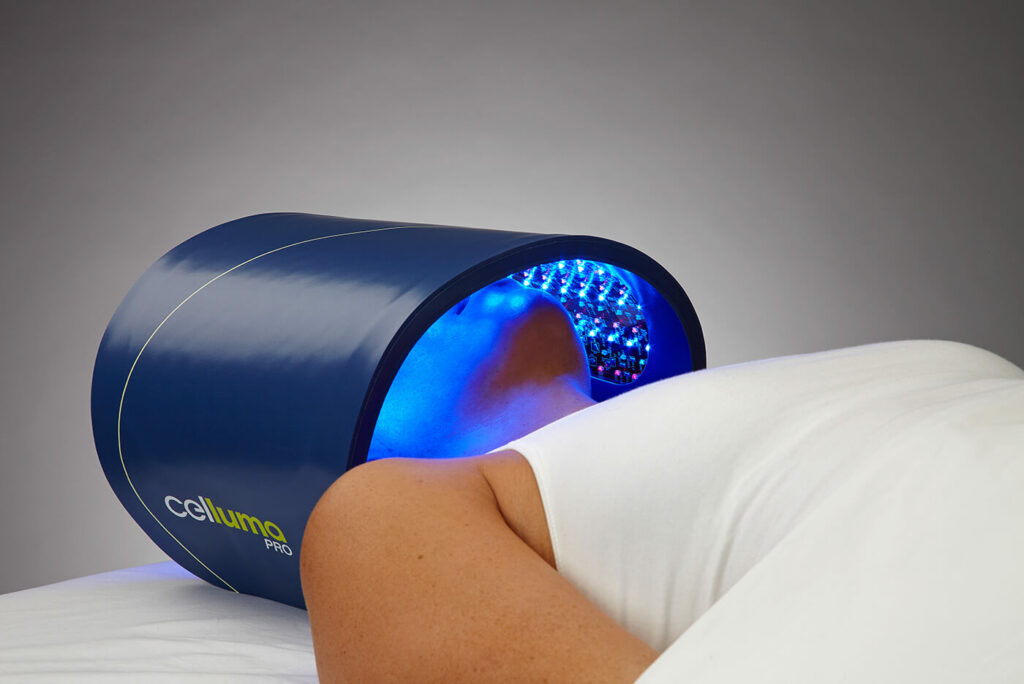
LED (Light-Emitting Diode) light therapy is a non-invasive, gentle skin treatment that utilizes various wavelengths of light to target specific skin concerns. Unlike traditional UV light therapy, LED light therapy employs skin-safe, low-level light in an array of colors, including amber, blue, red, and green. These wavelengths are carefully selected to penetrate the skin at different depths, allowing for targeted and customized treatment.
The Science Behind LED Light Therapy
At the heart of LED light therapy lies the science of photobiomodulation, a process in which specific wavelengths of light interact with the skin’s cellular structures to stimulate beneficial responses. When the light energy is absorbed by the skin, it triggers a cascade of cellular reactions, including the increased production of collagen, the reduction of inflammation, and the enhancement of skin healing processes.
The Versatility of LED Light Therapy
One of the key advantages of LED light therapy is its versatility in addressing a wide range of skin concerns. From acne to aging, this innovative technology has proven effective in treating a diverse array of skin conditions.
Acne
The blue light wavelength commonly used in LED light therapy has been shown to effectively target the bacteria responsible for acne breakouts. By disrupting the cellular processes of these bacteria, blue light therapy can help reduce the severity and frequency of acne flare-ups, offering a gentle and effective solution for those struggling with this common skin concern.
Anti-Aging Benefits
The red and near-infrared wavelengths of LED light have been studied extensively for their ability to stimulate collagen production, a crucial component in maintaining skin elasticity and reducing the appearance of fine lines and wrinkles. By promoting fibroblast activity, these wavelengths can help rejuvenate the skin, resulting in a more youthful, radiant complexion.
Wound Healing and Skin Rejuvenation
The red and near-infrared light wavelengths used in LED light therapy have also been found to accelerate the skin’s natural healing processes. By stimulating the production of collagen and promoting blood circulation, these wavelengths can enhance the skin’s ability to recover from various skin resurfacing procedures, such as microneedling or laser treatments, leading to faster healing times and reduced post-procedure downtime.
Psoriasis and Skin Cancer Management
Emerging research suggests that LED light therapy, particularly red and near-infrared wavelengths, may also offer benefits in the management of certain skin conditions, such as psoriasis and certain types of skin cancer. By reducing inflammation and promoting cellular regeneration, LED light therapy can potentially alleviate the symptoms associated with these conditions, providing a complementary approach to traditional treatment methods.
The Rise of At-Home LED Light Therapy Devices
While professional-grade LED light therapy treatments are typically performed in a dermatologist’s office, the increasing availability of at-home LED light therapy devices has made this technology more accessible to the general public. These devices, which include light masks, wands, and handheld devices, allow individuals to incorporate LED light therapy into their daily skincare routine, potentially enhancing the overall effectiveness of their skincare regimen. LED light therapy has made its way into cosmetic and wellness practices as well, which may be a more affordable option for some compared to purchasing a LED light therapy device on their own.
Potential Risks and Considerations
Although LED light therapy is generally considered a safe and well-tolerated skin treatment, it is important to be aware of potential risks and considerations. Some individuals may experience mild side effects, such as redness, swelling, or dryness, particularly when using photosensitizing medications or creams in conjunction with the treatment. Additionally, it is crucial to ensure proper eye protection during LED light therapy sessions, as prolonged exposure to certain wavelengths can potentially cause eye damage.
Maximizing the Benefits of LED Light Therapy
To achieve the best results from LED light therapy, it is recommended to work closely with a qualified dermatologist or skincare professional. These experts can assess your individual skin concerns, determine the appropriate wavelengths and treatment protocols, and monitor your progress to ensure optimal outcomes. Additionally, incorporating LED light therapy into a comprehensive skincare routine, which includes cleansing, moisturizing, and sun protection, can further enhance the long-term benefits of this innovative technology.
Book A Light Therapy Session Today
Our goal at Kimura Acupuncture is to help people feel better. Whether that involves acupuncture treatments for pain relief or LED light therapy for clear skin, we strive to offer safe and effective treatments for your condition to help you achieve mental and physical clarity. To book a light therapy session with us today, call us at 516-882-1292.
-
Soothing Sleepless Nights: How Acupuncture Can Help with Insomnia
Have you ever spent countless nights tossing and turning, unable to get a good night’s sleep? If so, you’re not alone. Insomnia, a common sleep disorder, affects millions of people worldwide. It can leave you feeling exhausted, irritable, and unable to function properly during the day. But what exactly is insomnia, and how does it impact your sleep?
Insomnia is characterized by difficulty in falling asleep, staying asleep, or both. It can be caused by various factors, such as stress, anxiety, depression, certain medications, or even lifestyle choices. Not having enough sleep can severely impact your overall health and well-being. Lack of quality sleep can lead to decreased productivity, impaired concentration, a weakened immune system, and even an increased risk of developing chronic illnesses like heart disease and diabetes.
According to the American Academy of Sleep Medicine, the most common underlying causes of insomnia stem from psychological disorders such as depression and anxiety. Other causes may include stress, chronic pain, digestive problems, and unhealthy lifestyle choices like drug and alcohol abuse.
What is acupuncture and how does it work?
Acupuncture, an ancient Chinese healing practice, has gained popularity in recent years as a natural remedy for various health conditions, including sleep disorders. Acupuncture is commonly used for treating insomnia in patients. Acupuncture treatment involves the insertion of thin needles into specific points of the body to stimulate the flow of energy, known as Qi. By targeting these specific points, acupuncture aims to restore balance and promote the body’s natural healing process.
The exact mechanism behind acupuncture’s effectiveness in treating insomnia is still being researched. However, according to traditional Chinese medicine, the insertion of needles at specific acupuncture points helps to regulate the body’s energy flow, promoting relaxation and reducing stress. Additionally, acupuncture is believed to stimulate the release of endorphins, the body’s natural painkillers, which can help induce a sense of calmness and improve sleep quality.
Acupuncture for insomnia: How it can help
If you’re struggling with insomnia, acupuncture may offer a safe and effective solution. Many individuals who have tried acupuncture for insomnia report significant improvements in their sleep patterns and overall well-being. Acupuncture sessions typically involve a series of treatments, tailored to your specific needs and symptoms.
During an acupuncture session, a trained practitioner will carefully insert thin needles into specific points on your body. These points may include areas like the wrists, ankles, or scalp, depending on your individual condition. The needles are typically left in place for around 15 to 30 minutes, during which time you may experience a deep sense of relaxation and calmness. The effectiveness and safety of acupuncture administered by a licensed acupuncturist ensures real results and feelings of relief.
The science behind acupuncture for sleep
While the exact scientific mechanisms behind the effectiveness of acupuncture for the treatment of insomnia are still being studied, several theories have been proposed. One theory suggests that acupuncture triggers the release of neurotransmitters, such as serotonin and melatonin, which are crucial for regulating sleep and wakefulness. By stimulating these neurotransmitters, acupuncture may help regulate your sleep patterns and promote better sleep quality.
According to a randomized controlled trial, acupuncture was found to alleviate patients with chronic insomnia (CI) and symptoms of anxiety and depression. In the study, where one group received acupuncture treatments and the other received a placebo, the acupuncture group showed significant and stable, long-term efficacy compared to the sham acupuncture group.
Furthermore, studies of clinical trials of acupuncture have shown that treatments can have a positive impact on the autonomic nervous system, which controls various bodily functions, including sleep. By modulating the autonomic nervous system, acupuncture may help rebalance the body’s natural sleep-wake cycle, leading to improved sleep duration and quality.
Other holistic therapies for treating insomnia
While acupuncture can be an effective standalone treatment for insomnia, it can also be combined with other holistic approaches for enhanced results. One such approach is dietary therapy. Certain foods and nutrients can have a significant impact on your sleep patterns. When used in conjunction with acupuncture, dietary therapy can help maximize the benefits of both approaches. By nourishing your body with sleep-supportive foods and nutrients, you can create a synergistic effect that promotes better sleep and overall well-being. For example, incorporating foods rich in tryptophan, such as turkey, nuts, and seeds, can help promote the production of serotonin, a neurotransmitter that plays a key role in regulating sleep. You may also consider incorporating more fruits into your diet, such as cherries, kiwis, and bananas, as they are rich in natural melatonin, a hormone that regulates sleep. Herbal teas, such as chamomile, lavender, or valerian root, can also be beneficial in promoting relaxation and preparing your body for a restful night’s sleep.
Acupuncture combined with massage therapy can also be an effective treatment for insomnia. Massage therapy increases serotonin production in the brain which helps promote sleep and feelings of relaxation.
Additionally, avoiding caffeine, alcohol, and heavy meals before bedtime can help improve sleep quality. Working with a qualified nutritionist or dietitian can help you develop a tailored dietary plan to support your acupuncture treatment and optimize your sleep.
Supplements and herbs to support acupuncture treatment
In addition to dietary therapy, certain supplements and herbs can complement acupuncture treatment for insomnia. These natural remedies can help address specific sleep issues and provide additional support for improved sleep quality.
For example, melatonin supplements are often used to treat insomnia as melatonin can regulate sleep-wake cycles and promote faster sleep onset. Magnesium, another popular sleep aid, can help relax the muscles and calm the nervous system, leading to more restful sleep. Other sleep medicines such as herbs, like passionflower or ashwagandha, are known for their calming properties and can be used to reduce anxiety and promote relaxation.
Before incorporating any supplements or herbs into your routine, it is essential to consult with a healthcare professional or a qualified herbalist to ensure their safety and effectiveness.
Frequently asked questions about acupuncture for insomnia
- Is acupuncture painful? Acupuncture is generally considered a painless procedure. The needles used are very thin and are often inserted gently, causing minimal discomfort.
- Is acupuncture safe? Many studies and patient testimonials back the safety of acupuncture treatment. The efficacy and safety of acupuncture depends on the practitioner. It is highly suggested to research different acupuncturists in your area and only seek treatments from a licensed and experienced acupuncturist.
- How many acupuncture sessions will I need? The number of acupuncture sessions needed to treat insomnia can vary depending on the individual, the type of insomnia, and the severity of insomnia. Typically, a series of six to eight weekly sessions is recommended for optimal results.
- Are there any side effects of acupuncture? Acupuncture is generally safe when performed by a trained practitioner. However, some individuals may experience minor side effects such as slight bruising, dizziness, or temporary soreness at the needle insertion sites.
Our experience treating Insomnia Patients
Our clinic has experience and success with treating people with insomnia and other related insomnia symptoms such as depression and anxiety. Acupuncture significantly improved these symptoms. The efficacy of acupuncture on insomnia symptoms depends on the individual’s health habits and the frequency of treatments. Each patient is different and reacts differently to treatments, however, we found that acupuncture was more effective when the patient practiced healthy habits and followed the suggested treatment plan frequency. Acupuncture can also treat other symptoms associated with insomnia like depression, anxiety, and stress, which helps patients rest better at night. Additionally, using acupuncture and moxibustion together for the treatment of primary insomnia was effective in helping patients sleep better.
Conclusion: Embracing natural solutions for a good night’s sleep
If you’re struggling with insomnia, finding an effective and natural solution can be life-changing. Treatment of chronic insomnia may involve different medications and therapies. Acupuncture can offer a more direct and simplified solution. With its long history of use and growing body of scientific evidence, acupuncture offers a promising approach to improving sleep quality and overall well-being. Acupuncture can help patients with insomnia without any side effects.
By understanding insomnia and its impact on your day-to-day life, exploring the science behind acupuncture, and considering complementary approaches like supplements and dietary and massage therapy, you can take steps towards achieving a restful and rejuvenating night’s sleep.
If you are interested in using acupuncture for the treatment of insomnia, we invite you to call us for an appointment. Our team of experienced practitioners is dedicated to helping you find relief and reclaim your nights of peaceful sleep. Don’t let insomnia hold you back any longer – take the first step towards a better night’s sleep today.
-
Brain Fog and How Acupuncture Can Help
What is Brain Fog?
Brain fog refers to a state of mental confusion and lack of clarity. Symptoms include difficulty concentrating and paying attention, forgetfulness, memory problems, and feeling mentally sluggish. While it is not a medical condition in itself, studies show that brain fog can be a symptom of Long COVID. It can also result from other infections, certain medications, allergies, kidney failure, and mental conditions such as anxiety and depression. Brain fog can significantly affect one’s quality of life and cognitive function.
Long-Term Effects of Brain Fog
Brain fog is not an entirely new condition, as many people, including women going through menopause, have experienced some sort of cognitive impairment. One common symptom that people have developed after contracting a COVID-19 infection is a decline in cognitive function. Since the pandemic began, there have been more and more studies about Long COVID and its effect on our cognitive function.
Long COVID is when symptoms of COVID-19 still linger for weeks, months, and even years after recovering from the infection. Recent studies have shown that COVID-19 infections can increase the risk of Alzheimer’s disease in old age, which can lead to poor cognitive function and brain inflammation down the line. As Western medicine is still understanding the effects of Long COVID, brain fog, and how to treat it, acupuncture may be used as an alternative medicine.
Understanding the Connection Between Brain Fog and Acupuncture
In recent years, acupuncture has gained popularity as an effective treatment for brain fog. Acupuncture is a type of traditional Chinese medicine (TCM) that involves the insertion of thin needles into specific points on the body to restore balance and promote healing. By stimulating these acupuncture points, energy flow is restored, and symptoms of brain fog may be alleviated. Following acupuncture treatments, patients report feeling relaxed and more focused.
Systemic Reviews Supporting Acupuncture For Brain Fog
Many peer-reviewed journals and reviews provide evidence for the benefits of acupuncture and how it is used to treat cognitive deficit disorders. According to a systematic review, acupuncture improves subjective cognitive decline, reduces post-stroke cognitive impairment, and improves cognitive function in MCI patients without any adverse effects.
Benefits of Acupuncture for Brain Fog
Acupuncture can improve cognitive function, enhance mental clarity, and increase overall well-being. Additionally, brain fog can increase feelings of stress and fatigue. Acupuncture is often used to relieve symptoms of stress, leaving patients with a more relaxed mind and body. Acupuncture works by stimulating the central nervous system, which releases endorphins and promotes blood flow to the brain. This can help reduce inflammation, improve neural regeneration, and enhance the brain’s ability to process information.
Acupuncture Points for Brain Fog Relief
Acupuncture points for brain fog relief are strategically chosen to target the underlying imbalances causing these foggy symptoms. These points may include the Baihui point, located at the top of the head, which is believed to promote mental clarity and focus. Other points, such as the Yintang point between the eyebrows and the Neiguan point on the inner wrist, may also be used to address specific symptoms associated with brain fog.
How Acupuncture Works to Alleviate Brain Fog
Acupuncture works by stimulating the body’s natural healing mechanisms. When thin needles are inserted into specific acupuncture points, it triggers a cascade of physiological responses. This includes the release of endorphins, which are the body’s natural painkillers and mood enhancers. Additionally, acupuncture helps regulate the flow of Qi, the vital energy that flows through the body. By restoring the balance of Qi, acupuncture can improve memory and concentration.
Acupuncture Treatments for Brain Fog
Acupuncture treatments for brain fog typically involve a series of sessions to achieve optimal results. The exact number of treatments needed may vary depending on the individual and the severity of their symptoms. During the sessions, the acupuncturist will assess the patient’s overall health and wellness and create a personalized treatment plan. This may include a combination of acupuncture, herbal remedies, dietary recommendations, and lifestyle modifications. Many people get nervous over the thought of inserting needles into the skin, however, when practiced under the care of an experienced and licensed acupuncturist, treatments are painless and may relieve lots of stress and tension in the muscle.
Combining Acupuncture with Other Natural Remedies for Brain Fog
While acupuncture can be an effective standalone treatment for brain fog, it can also be combined with other natural remedies to enhance its benefits. These may include:
- Dietary modifications: Certain foods, such as those rich in antioxidants and omega-3 fatty acids, can support brain health and reduce inflammation. Incorporating these foods into your diet can complement the efficacy of acupuncture.
- Exercise: Regular physical activity has been shown to improve cognitive function and retention time. Physical activity can improve your mood, enhance your memory, and reduce any symptoms of brain fog. Engaging in activities like walking, yoga, or tai chi can be beneficial in conjunction with acupuncture treatments.
- Stress management: Chronic stress can contribute to brain fog. Incorporating stress management techniques such as meditation, deep breathing exercises, or mindfulness practices can help reduce stress levels and improve mental clarity.
Preparing for an Acupuncture Session for Brain Fog
Before your acupuncture session, it’s important to prepare yourself both mentally and physically. Here are some tips to help you make the most of your treatment:
- Stay hydrated: Drink plenty of water before your session to ensure proper hydration, as this can improve the effectiveness of acupuncture.
- Avoid caffeine and alcohol: These substances can interfere with the body’s energy flow and may diminish the effects of acupuncture. It’s best to avoid them for a few hours before your session.
- Wear loose, comfortable clothing: This will allow easy access to the acupuncture points and ensure a relaxing experience during the session.
Finding a Qualified Acupuncture Practitioner for Brain Fog Treatment
When seeking acupuncture treatment for brain fog, it’s important to find a qualified and experienced practitioner. Here are some tips to help you find the right practitioner for your needs:
- Research: Look for licensed acupuncturists who specialize or have experience in treating brain fog or neurological conditions. Read reviews and check their credentials to ensure they have the necessary expertise.
- Ask for recommendations: Seek recommendations from friends, family, or healthcare professionals who have had positive experiences with acupuncture for brain fog.
- Consultation: Schedule a consultation with potential acupuncturists to discuss your symptoms and treatment goals. This will give you an opportunity to assess their knowledge and approach to treatment.
- Don’t get nervous: Needles can make anyone anxious, but there is no reason for concern. Acupuncture has been used for thousands of years to treat a myriad of conditions. Additionally, many systemic reviews and scientific journals have vouched for this ancient Chinese practice. When performed by a professional licensed acupuncturist, you should feel no discomfort at all during treatments.
Conclusion: The Potential of Acupuncture in Managing Brain Fog
Acupuncture offers a holistic approach to managing brain fog by addressing the underlying imbalances in the body. With its ability to improve cognitive function, enhance mental clarity, and promote overall well-being, acupuncture has become a popular choice for those seeking relief from brain fog and other symptoms caused by stress and Long COVID. By combining acupuncture with other natural remedies and making lifestyle modifications, individuals can take control of their brain health and regain their clarity and focus.
References:
Furman, S., Green, K., & Lane, T. E. (2023). COVID-19 and the impact on Alzheimer’s disease pathology. Journal of Neurochemistry, 00, 1–15. https://doi.org/10.1111/jnc.15985
Yin Z, Zhou J, Xia M, Chen Z, Li Y, Zhang X, et al. Acupuncture on mild cognitive impairment: a systematic review of neuroimaging studies. Front Aging Neurosci. (2023) 15:1007436. doi: 10.3389/fnagi.2023.1007436
-

Efficacy of Acupuncture Treatment: Trigger Point Acupuncture for Sciatica
Sciatica is a common condition characterized by pain, numbness, or weakness that originates in the lower back and travels through the buttock and down the large sciatic nerve in the back of each leg. This condition is often associated with back, hip, and leg pain, which can be debilitating and significantly affect an individual’s quality of life.
What is the Cause of Sciatica and How Does Acupuncture Therapy Help?
Understanding Sciatica and Trigger Points
Sciatica is caused by the the compression or irritation of the sciatic nerve, which can result from a variety of causes such as disc herniation, spinal stenosis, or piriformis syndrome. Trigger points are sensitive nodules that can be felt within tight muscles and are often linked with sciatica. These trigger points can irritate nerve roots and neighboring muscles. The pain and discomfort felt by those with sciatica can be caused by these trigger points.
Role of Trigger Point Acupuncture in Sciatica Management
Trigger Point Acupuncture, a form of acupuncture, targets specific trigger points to alleviate symptoms such as low back pain, hip pain, and leg pain. It can help improve the overall function of the affected area, thereby contributing to the treatment of sciatica. In Trigger Point Acupuncture, a practitioner will needle trigger point locations in the body in addition to traditional acupuncture points which are believed to alleviate pain. It is very common for patients to feel heavy or achy feeling when trigger points are needled.
Scientific Evidence Supporting Acupuncture for Sciatic Pain
Several studies have investigated the efficacy of acupuncture in treating sciatica, with many demonstrating positive outcomes. The effectiveness of trigger point acupuncture in managing sciatica has been attributed to its ability to address the specific muscular components contributing to the condition, providing patients with significant relief.
Evidence from Systematic Reviews and Meta-Analyses
Additionally, systematic reviews and meta-analyses have consistently demonstrated the efficacy of acupuncture in managing sciatica. These comprehensive analyses of available research provide valuable insights into the effectiveness of acupuncture as a treatment modality for individuals experiencing sciatic pain.
Comparative Analysis with Conventional Treatments
Comparative studies have highlighted the potential benefits of acupuncture when compared to conventional treatments for sciatica. Acupuncture offers a non-invasive and holistic approach to addressing the underlying muscular and neural components of the condition, presenting a valuable alternative for individuals seeking relief from sciatic pain.
Benefits of Trigger Point Acupuncture for Sciatica
Pain Relief and Management
Trigger Point Acupuncture has been found to be effective in providing immediate pain relief for individuals suffering from sciatica. By targeting the specific trigger points associated with the condition, acupuncture helps to reduce pain intensity and increase the pain threshold, ultimately improving the overall management of the condition.
Improved Mobility and Functionality
Patients undergoing trigger point acupuncture for sciatica often experience enhanced mobility and functionality. The reduction in back pain, hip pain, leg pain, and muscle tension facilitated by acupuncture allows for improved movement, contributing to a better quality of life for individuals dealing with sciatica.
Reduced Inflammation and Nerve Compression
Acupuncture has also been shown to reduce inflammation and alleviate nerve compression associated with sciatica. By targeting the trigger points and promoting relaxation in the affected muscles, acupuncture helps mitigate the factors contributing to nerve compression, resulting in reduced symptoms of sciatica, such as sciatic nerve pain.
Understanding the Safety and Efficacy of Trigger Point Acupuncture
Risk Factors and Safety Considerations
When performed by a qualified and experienced practitioner, trigger point acupuncture for sciatica is considered to be safe with minimal risk of adverse effects. Prior to undergoing treatment, patients should discuss any underlying health conditions and concerns with their healthcare provider to ensure the appropriate management of their condition. Although licensed acupuncturists were not required to have additional training in trigger point needling, we recommend patients ask if they have experience in trigger point needling. If your states allow physical therapists to perform dryneedling to treat trigger points, we recommend you ask if they received extensive training in dryneedling or trigger point needling.
Acupuncture as an Alternative Treatment Option for Sciatica Pain
Comparing Trigger Point Acupuncture with Other Modalities
When compared to other treatment modalities for sciatica, trigger point acupuncture stands out for its ability to provide targeted relief by addressing the specific trigger points and muscle knots associated with the condition. This personalized approach sets acupuncture apart as a valuable alternative treatment option for individuals dealing with sciatic pain.
Long-Term Effects and Maintenance Therapy
Research, inclusive of randomized controlled trials, has indicated the potential for long-term benefits from trigger point acupuncture in the management of sciatica and back pain. Additionally, acupuncture can be utilized as a form of maintenance therapy to sustain the improvements achieved, offering ongoing relief and support for individuals with chronic sciatica.
Individualized Acupuncture Protocols for Sciatica
Acupuncture practitioners often develop individualized treatment protocols, utilizing acupuncture needles tailored to the specific needs and symptoms, like back pain and leg pain, of each patient dealing with sciatica. This personalized approach ensures that the acupuncture needles address the unique aspects of the individual’s sciatic and lower back pain, optimizing the potential for successful outcomes in the treatment of sciatica.
Case Studies and Patient Experiences with Trigger Point Acupuncture
Our Treatments and Testimonials
The majority of patients in our office come in for treatments of lower back, hip, and leg pain which they either describe as sciatic pain or were diagnosed with sciatica by medical doctors. Many of them didn’t want to take pain medications regularly to live with pain and decided to try acupuncture for the treatment of sciatica. Most cases of sciatica in our clinic are either piriformis syndrome in which piriformis muscles are tight and irritating the sciatic nerves or trigger points in Gluteus Minimus muscles, in which pain pattern mimics sciatic pain. In both cases we successfully treat them and patients report relief in a very short period.
In addition to trigger point acupuncture, we prescribe patients stretch exercises that target the tight muscles and encourage them to exercise within their abilities to keep the muscles from getting weak.
After a course of acupuncture involving the use of acupuncture needles, most individuals have reported significant improvements in their symptoms, notably low back pain, highlighting the effectiveness of acupuncture as a valuable treatment option for sciatica.
Challenges and Limitations in Acupuncture Treatment
While trigger point acupuncture has shown promise in treating sciatica, it is important to acknowledge the potential challenges and limitations associated with this approach. Factors such as individual variation in response to treatment and the need for ongoing therapy may present challenges for some individuals seeking relief from sciatica. However, most patients in our clinic experienced significant relief in sciatica in the relief care stage of the treatments and decided to move on to the corrective care plan to correct the root of the problem, then the maintenance and wellness care stage of the treatments with less frequent acupuncture treatments. Some patients decide to come back whenever pain associated with sciatica flares up. In the long run, we believe getting acupuncture regularly as a part of a wellness plan would give patients with sciatica greater relief and be more cost-effective.
Important Considerations for Choosing Acupuncture for Sciatic Pain
Before pursuing trigger point acupuncture for treatments of sciatica, individuals suffering from low back pain should consider their specific symptoms, overall health, and preferences for treatment. Consulting with a qualified acupuncture practitioner can provide valuable guidance in determining the suitability of acupuncture as a treatment option and addressing any concerns regarding the management of sciatica.
In the New York Tri-State area, our clinic recommends NCCAOM deplomate state-licensed acupuncturists who received extensive trigger point needling training such as graduates from now closed Tri-State College of Acupuncture. Tri-State College of Acupuncture offered 3-year training in Trigger Point Acupuncture called Acupuncture Physical Medicine (APM) developed by Mark Seem, Ph. D. He has incorporated myofascial pain and trigger point research done by Janet Travell, M.D., who published Myofascial Pain and Dysfunction. The Trigger Point Manual. Dr. Travell was the leading pioneer in the study of referred pain and the discovery of trigger points.
Reference:
- The effectiveness and safety of acupuncture treatment on sciatica: A systematic review and metaanalysis, August 2022; PMID: 35985442
- The efficacy and safety of acupuncture therapy for sciatica: A systematic review and meta-analysis of randomized controlled trials, February 2023; PMID: 36845439